2 min read
Chasing the rainbow in design
Throughout art and design history colour theory has influenced and even epitomised the style of certain eras.
“Color is a power which directly influences the soul. Color is the keyboard, the eyes are the hammers, the soul is the piano with many strings.”
I was reminded, at the most recent Sydney Mardi Gras, of the pure joy a spectrum of colours can evoke. Throughout art and design history colour theory has influenced and even epitomised the style of certain eras. I will be focusing on this theme within the economic expansion era of post World War II and beyond.
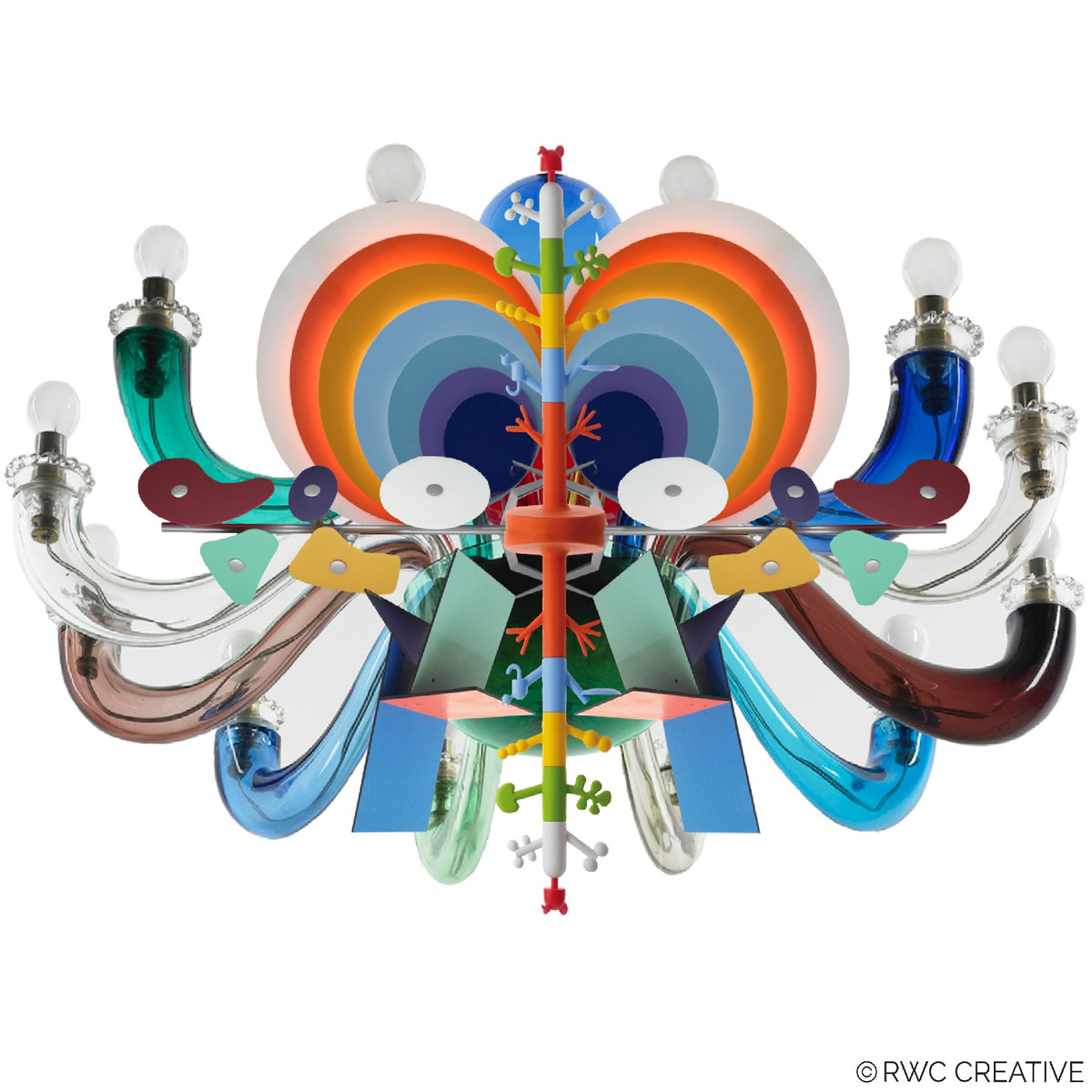
During this time the popular theme of multicoloured sets started to appear frequently in anything from porcelain, glass, furnishings and even consumables.
Following the advent of the mid twentieth century's technical and industrial advances, production of homewares had the choice of colours never seen before in manufacturing. There was a high demand for bright and cheerful palettes after the more somber World War periods. Domesticity became a focus for reunited post war families and a sort of nationwide nesting ensued. The optimism of this time was expressed through the use of a contrasting and varied palette. This rainbow palette was also often seen in movie set designs of the period.
Charles and Ray Eames were one of this era's great proponents of colour in design. Their love of toys is expressed in the 1953 designed Hang It All. The functionality of the object was joyously offset by the ludic quality of the coloured, painted orbs. The design duo's dedication to colour is also expressed through their pick and mix range of the DSW Herman Miller side chair and use of colourful laminates in their furniture.
Often referred to as harlequin sets, the 1950s saw an explosion of colour in fine dining stemware and porcelain services to picnic ware and everyday kitchenalia.
Italian design, and especially glass manufacture in Murano, harnessed the use of polychrome. The 1950s and 1960s were a golden era for the use of colour spectrums. The use of a rainbow or spectrum of colours has continued to influence designers from the 1970s through to today, from Bent Karlby's Peacock wall lights for Lyfa, to Verner Panton's Vilbert chair for IKEA, Oiva Toikka's Paradise Tree for Magis, and Ferruccio Laviani's Orbital floor lamp for Foscarini.
Begin a conversation
InValued provides expert art, antique and jewellery valuations in Sydney and across Australia and New Zealand. If you would like to discuss a valuation, inventory or sale, please get in touch.